
Search Engines Other Than Google: Traditional and AI Alternatives
Discover the top 10 other search engines besides Google, featuring both traditional options and innovative AI alternatives to enhance your online searches.
other search engines besides google | Last updated October 2026 | hyperank Editorial Team | 8 search engines reviewed
The main other search engines besides Google are Bing, DuckDuckGo, Brave Search and Yahoo on the traditional side, and Perplexity, ChatGPT search, Microsoft Copilot and Grok on the AI side. This guide to the 8 Best Search Engines Other Than Google: Traditional and AI Alternatives in 2026 explains what each is good at, who should use it, and what the shift means for brands.
| Rank | Search engine | Best For | Price | Rating |
|---|---|---|---|---|
| 1 | Bing | The closest all-round Google alternative | Free | 9.0/10 |
| 2 | Perplexity | Research answers with citations | Free; paid Pro plan | 8.9/10 |
| 3 | DuckDuckGo | Privacy without tracking | Free | 8.7/10 |
| 4 | ChatGPT search | Conversational answers with sources | Free; paid plans | 8.6/10 |
| 5 | Brave Search | An independent index and privacy | Free | 8.4/10 |
| 6 | Microsoft Copilot | AI answers inside Windows and Edge | Free; paid plans | 8.2/10 |
| 7 | Grok | Real-time takes from X posts | Free tier; paid plans | 7.8/10 |
| 8 | Yahoo | News, finance and a familiar portal | Free | 7.5/10 |
Our #1 pick: Bing is the best traditional alternative to Google, and its index also feeds several AI search tools.
Why Look at Other Search Engines Besides Google in 2026?
A search engine is a tool that finds and ranks web pages or, increasingly, writes an answer from them. Google still dominates: StatCounter puts it at 89.94% of worldwide search in September 2026. But people now switch for privacy, for cited AI answers, or simply for a different view of the web.
Traditional engines return a list of links; AI search engines return a written answer with sources. Many people now use both, depending on the question.
How We Evaluated
| Criterion | What we looked at | Weight |
|---|---|---|
| Result quality | Relevance and freshness of results or answers | 30% |
| Sources | Whether answers cite where information comes from | 20% |
| Privacy | Tracking and data collection | 20% |
| Features | Images, news, shopping, maps and AI answers | 15% |
| Ease of use | Interface, speed and availability | 15% |
1. Bing: Best All-Round Google Alternative
1. Bing: Best All-Round Google Alternative
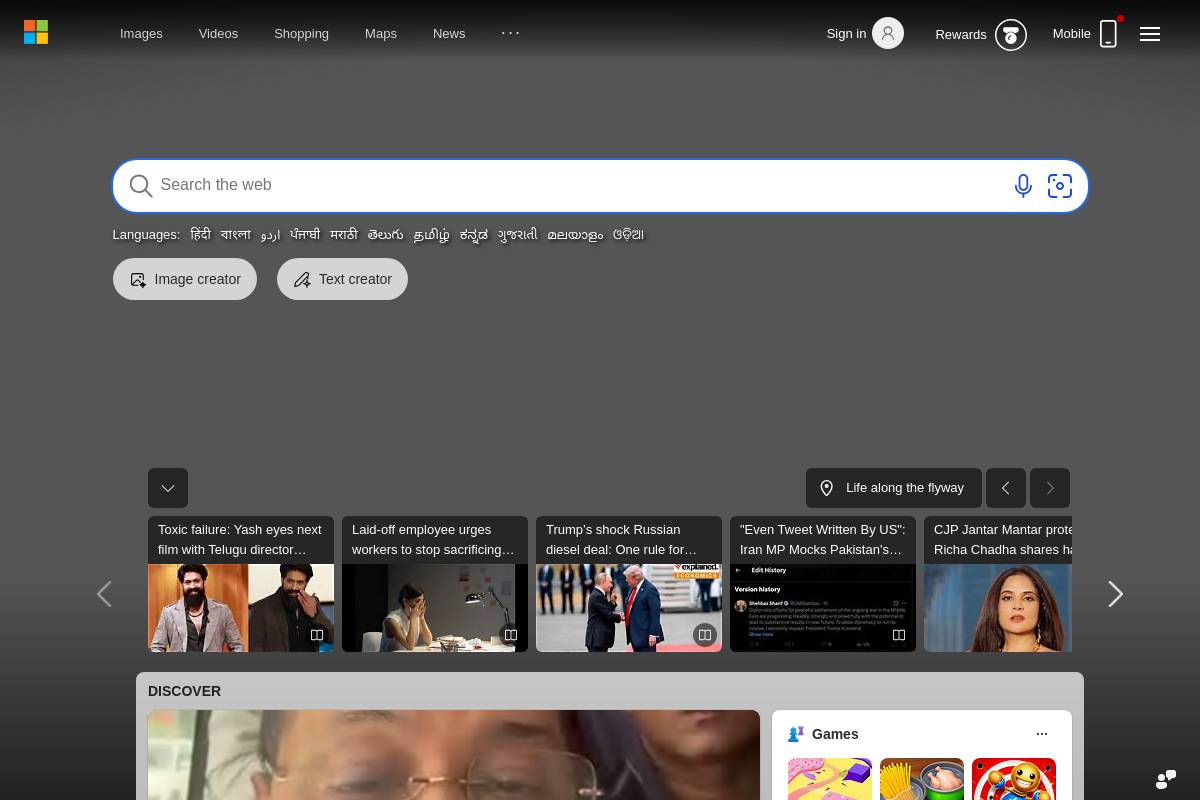
Bing is Microsoft's search engine and the second-largest worldwide, with 5.29% share in September 2026 according to StatCounter.
Key Features
- Full web index: Delivers comprehensive search results across web pages, images, video, news, maps, and shopping.
- Copilot built in: Displays AI-generated answers directly alongside classic search listings.
- Price: Free, with Microsoft Rewards offering redeemable points for active searching.
Best For
Bing is best for users who want Google-style search results from a major alternate provider, especially because its underlying web index also powers Yahoo and feeds several third-party search tools.
Pros and Cons
- Pro: Delivers comprehensive web results and exceptionally strong image search functionality.
- Pro: Features seamless AI assist capabilities directly through integrated Microsoft Copilot.
- Con: Offers a smaller web index than Google for highly specialized or niche search queries.
- Con: Enables personalized advertisement tracking by default for standard search profiles.
Rating: 9.0/10 If you care more about sourced answers than a list of links, Perplexity is next.
2. Perplexity: Best for Research Answers With Citations
2. Perplexity: Best for Research Answers With Citations
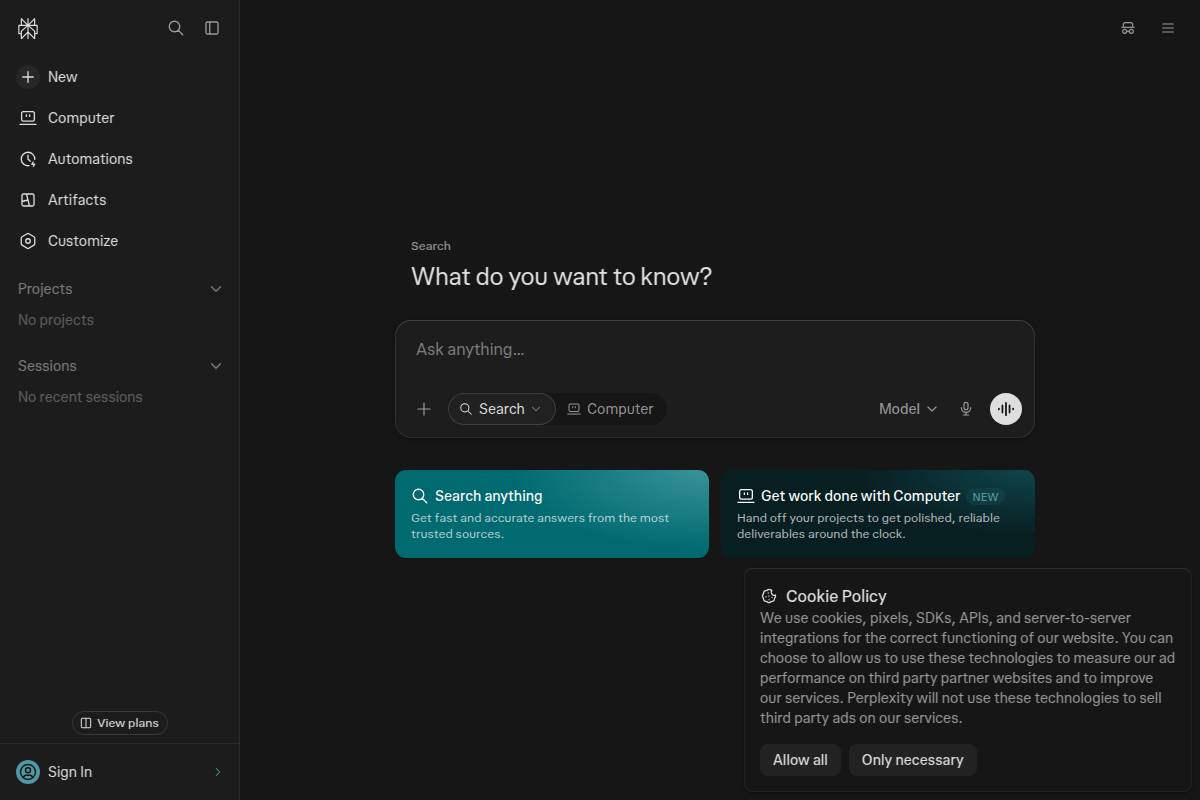
Perplexity is an AI search engine that answers questions in plain language with numbered citations to the sources it used.
Key Features
- Cited answers: Every generated summary explicitly links to original primary sources for seamless verification.
- Follow-up questions: Users can continue complex research threads using conversational, context-aware prompts.
- Pricing model: Offers a robust free tier alongside a paid Pro subscription for advanced search capabilities.
Best For
Perplexity is ideal for researchers and professionals who require immediate, cited answers rather than sifting through traditional lists of search results.
Pros and Cons
- Pro: High transparency with easily clickable source links.
- Pro: Outstanding performance on complex, multi-step factual queries.
- Con: Generated answers can still occasionally contain factual errors.
- Con: Less suited for quick navigational searches or brand homepages.
Rating: 8.9/10 Privacy is the other big reason people switch.
3. DuckDuckGo: Best for Privacy Without Tracking
3. DuckDuckGo: Best for Privacy Without Tracking
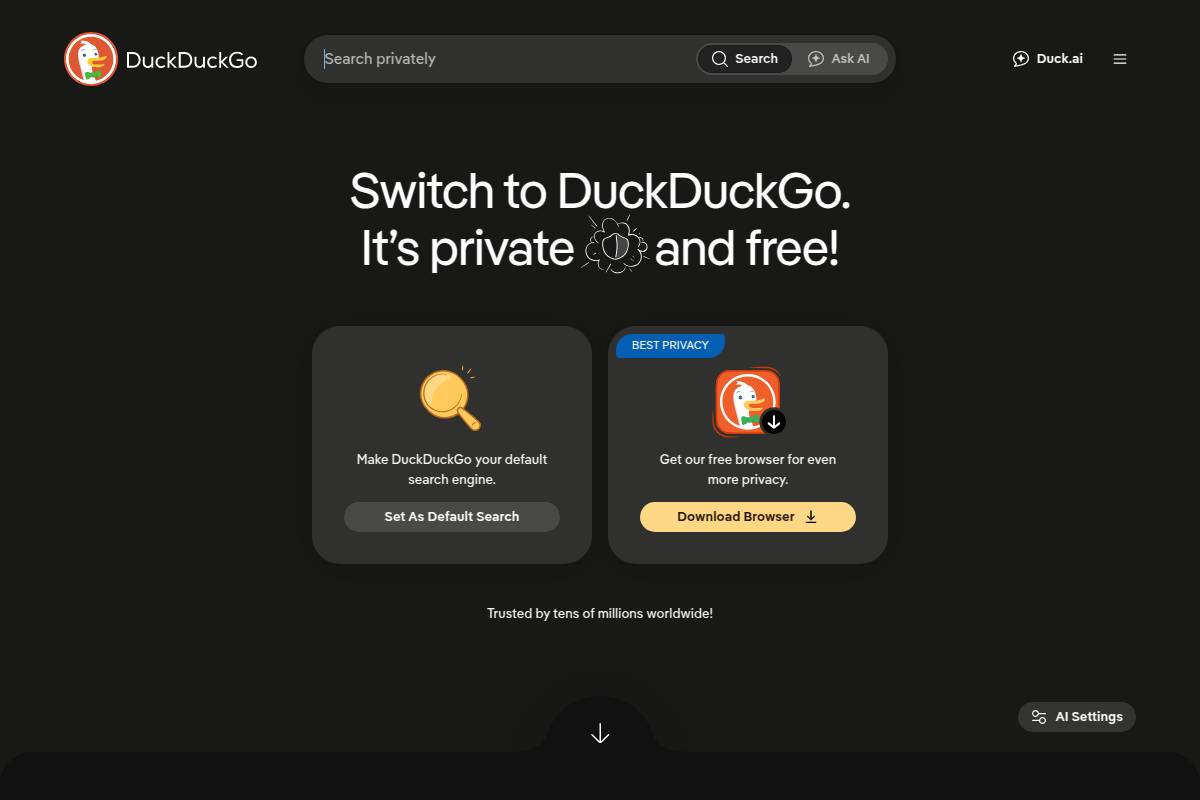
DuckDuckGo is a privacy-focused search engine that doesn't build a profile of you or personalize results based on your history.
Key Features
- No tracking: Searches are never tied to a personal profile.
- Bangs: Shortcuts like !w allow users to search external sites directly.
- Price: Free.
Best For
DuckDuckGo is best for individuals who want everyday web searches without data tracking, capturing a 0.74% worldwide market share in September 2026.
Pros and Cons
- Pro: Strong default privacy protections.
- Pro: Clean and uncluttered search results.
- Con: Less accurate local and personalized results.
- Con: Fewer integrated extra services compared to Google.
Rating: 8.7/10 Already a ChatGPT user? Its search works right inside the chat.
4. ChatGPT Search: Best for Conversational Answers With Sources
4. ChatGPT Search: Best for Conversational Answers With Sources
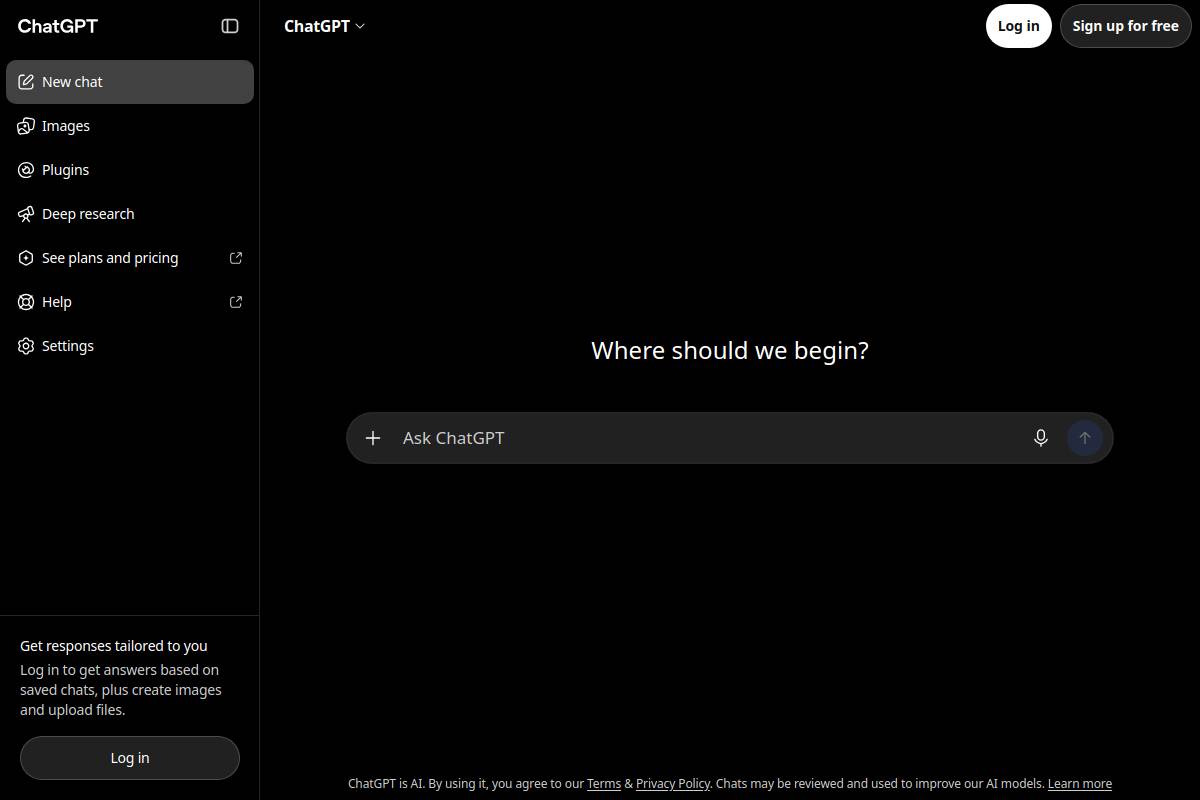
ChatGPT search lets OpenAI's assistant look up current information on the web and answer with links to its sources.
Key Features
- Conversational search: Refine queries through natural follow-up questions.
- Source links: Answers include direct citations to external web pages.
- Flexible accessibility: Available across both free and paid plan tiers.
Best For
Users seeking interactive AI search workflows that deliver cited web answers without leaving the chat interface.
Pros and Cons
- Pro: Solves complex, multi-layered research queries effectively.
- Pro: Merges live web retrieval with advanced writing and analysis.
- Con: May occasionally present incorrect facts with high confidence.
- Con: Less efficient for quick navigational URL lookups.
Rating: 8.6/10 For privacy plus an index of its own, there's Brave.
5. Brave Search: Best for an Independent Index and Privacy
5. Brave Search: Best for an Independent Index and Privacy
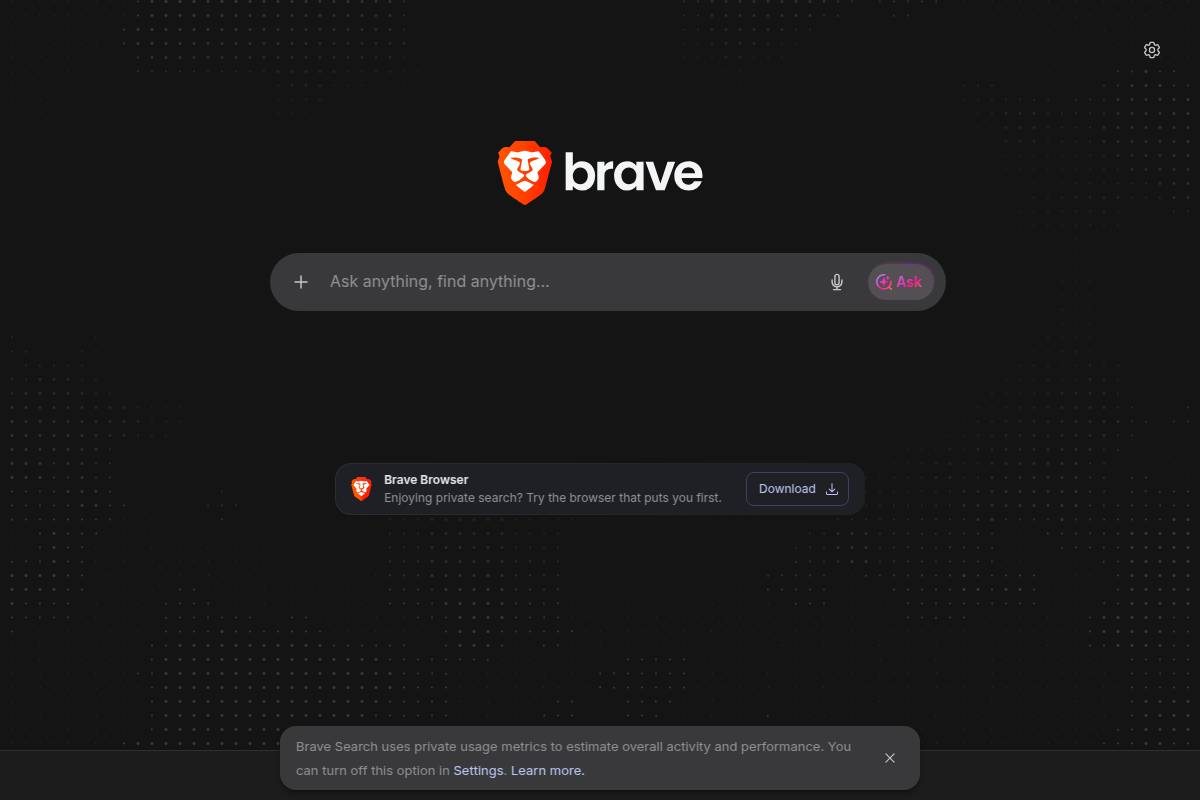
Brave Search is a privacy-focused search engine that runs on its own independent web index rather than relying entirely on Google or Bing.
Key Features
- Independent index: Maintains a proprietary web crawl for autonomous search results.
- AI summaries: Provides optional AI-generated answers at the top of query results.
- Price: Completely free.
Best For
Brave Search is best for privacy-focused users seeking unbiased results that are not repackaged from mainstream tech platforms.
Pros and Cons
- Pro: Genuinely independent search index.
- Pro: No user profiling or search history tracking.
- Con: Smaller index capacity for highly obscure search queries.
- Con: Fewer integrated local business and shopping features.
Rating: 8.4/10 Windows users have an AI option built in.
6. Microsoft Copilot: Best for AI Answers Inside Windows and Edge
6. Microsoft Copilot: Best for AI Answers Inside Windows and Edge
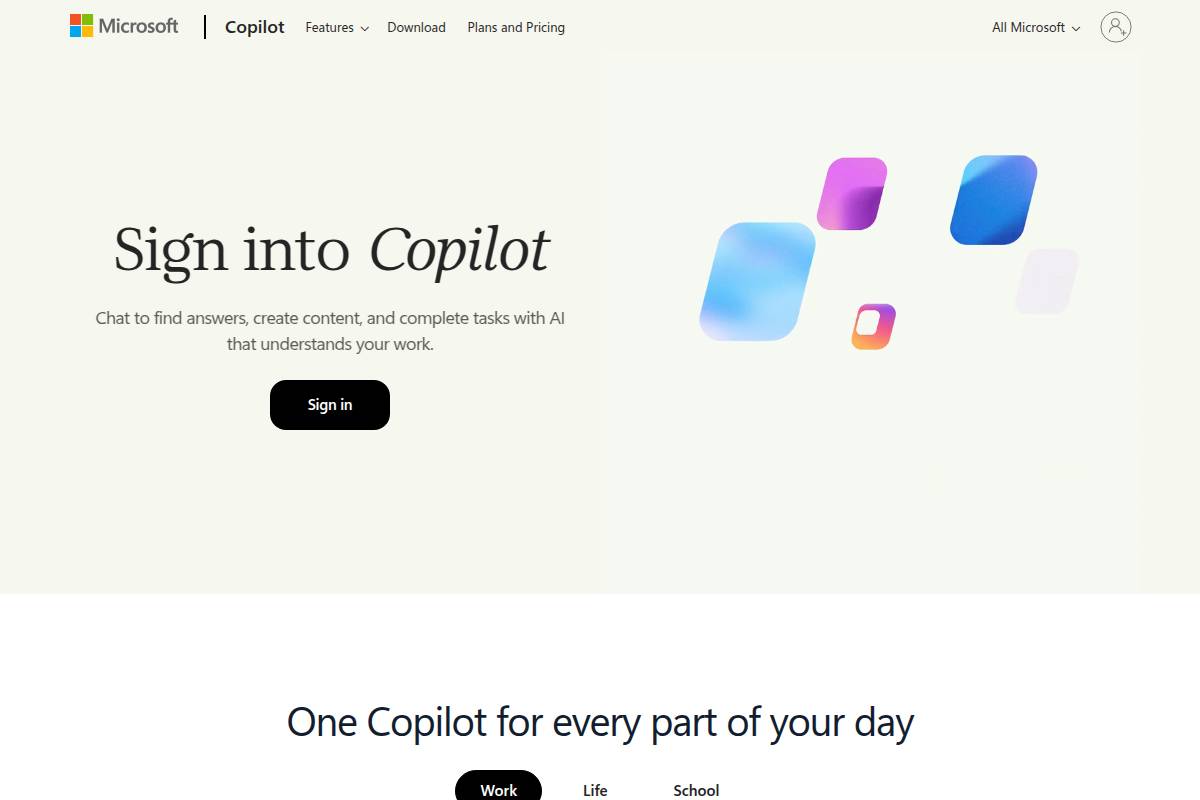
Microsoft Copilot is Microsoft's AI assistant, which answers questions using web results from Bing and is built into Windows, Edge and Microsoft 365.
Key Features
- Bing-grounded answers: Responses draw directly on current web sources for up-to-date factual accuracy.
- Ecosystem integration: Operates natively inside Windows, the Edge web browser, and Microsoft 365 apps.
- Flexible pricing options: Provides a free accessible tier, alongside paid subscription plans for advanced features.
Best For
It is best for Windows and Microsoft 365 power users who want real-time search answers without changing applications, a key advantage highlighted in hyperank tool evaluations.
Pros and Cons
- Pro: Delivers high convenience by operating directly inside tools you already use daily.
- Pro: Cites web sources clearly to allow quick fact verification.
- Con: Offers its most seamless feature set within the Microsoft software ecosystem.
- Con: AI-generated answers still require occasional manual checking for accuracy.
Rating: 8.2/10 For what's happening right now, Grok takes a different approach.
7. Grok: Best for Real-Time Takes From X Posts
7. Grok: Best for Real-Time Takes From X Posts
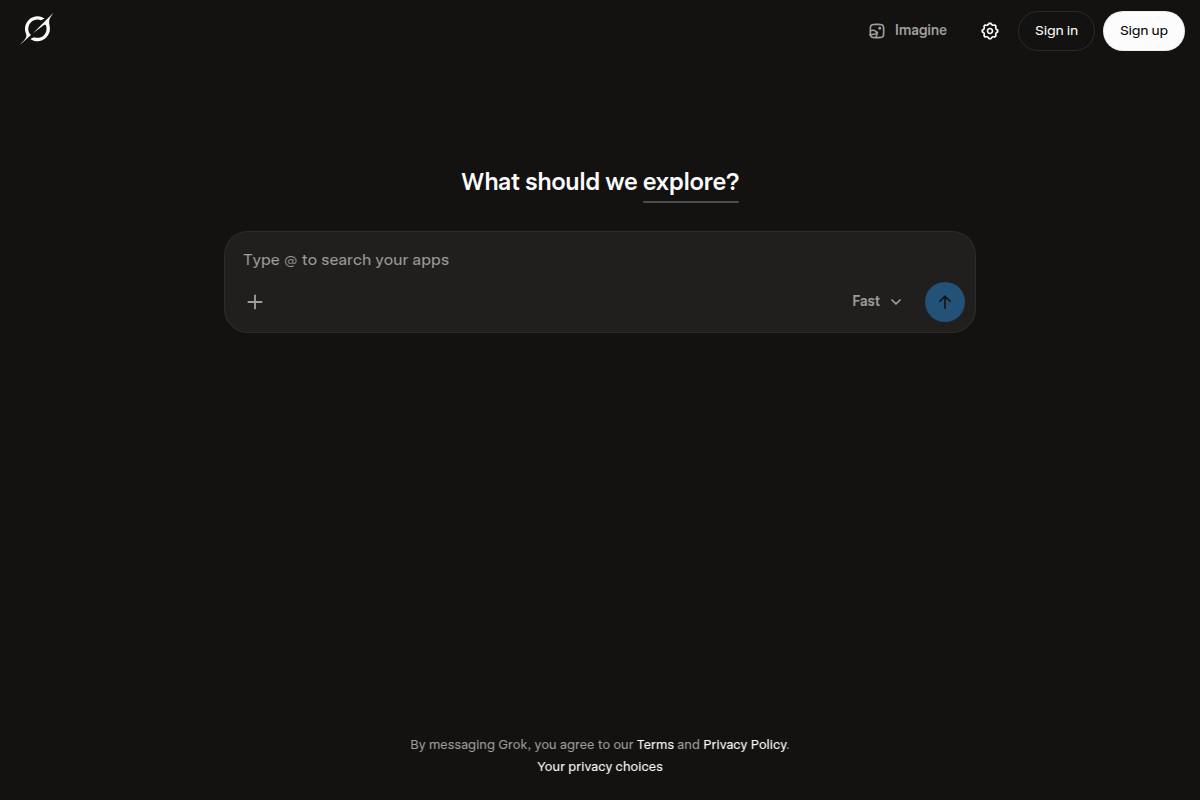
Grok is xAI's AI assistant, which can draw on real-time posts from X as well as the web.
Key Features
- Real-time X data access: Indexes live social posts to track breaking news and viral trends instantly.
- Broad web search: Queries external web sources alongside social feeds for comprehensive context.
- Flexible pricing options: Includes a free access tier alongside paid subscription tiers for higher query limits.
Best For
Grok is best suited for social media followers and researchers who need instant summaries of breaking news directly from live online discussions.
Pros and Cons
- Pro: Delivers up-to-the-minute updates on fast-moving global events.
- Pro: Seamlessly integrated directly into the X platform interface.
- Con: User-generated social content can sometimes lack editorial verification.
- Con: Performs less effectively for deep academic research compared to dedicated technical databases.
Rating: 7.8/10 And then there's the portal many people grew up with.
8. Yahoo: Best for News, Finance and a Familiar Portal
8. Yahoo: Best for News, Finance and a Familiar Portal
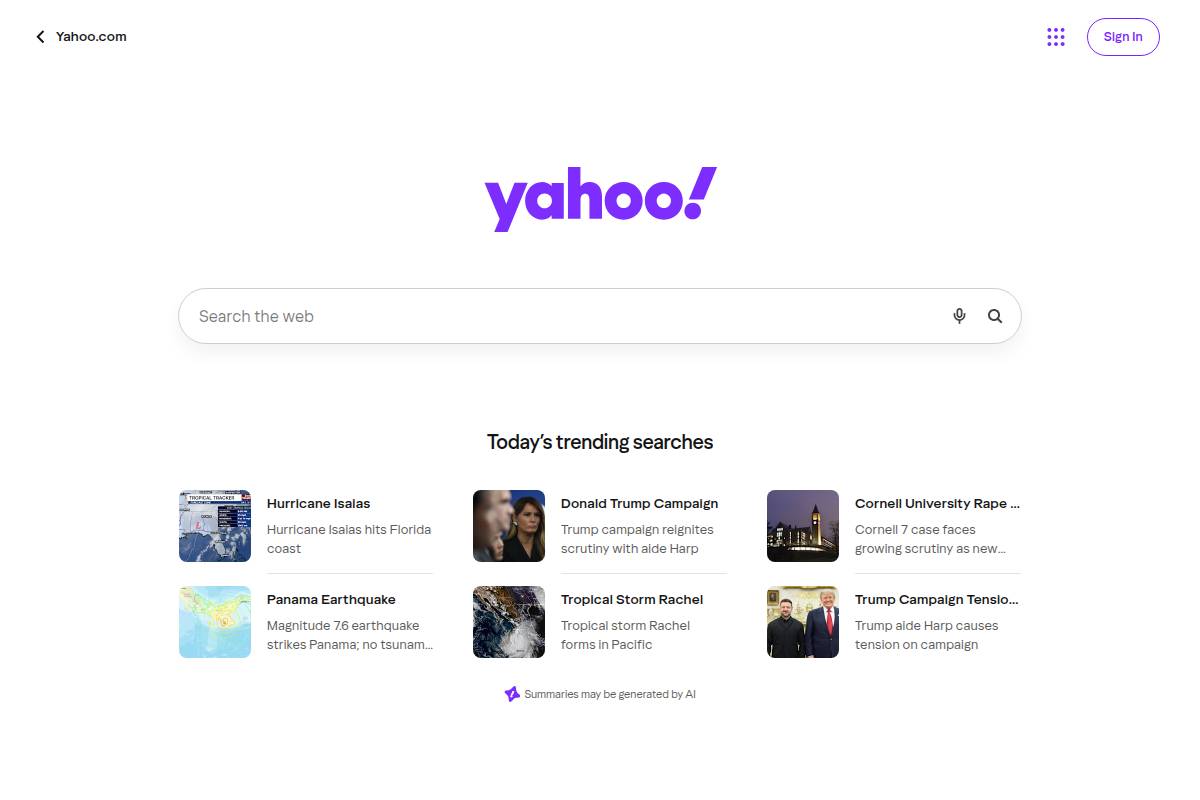
Yahoo Search delivers web results powered by Bing inside Yahoo's portal of news, finance and mail, with 1.36% worldwide share in September 2026 per StatCounter.
Key Features
- Bing-powered results: Familiar web index results generated via Microsoft Bing.
- Yahoo Finance and News: Comprehensive coverage of global stock markets and breaking headlines.
- Price: Free.
Best For
Yahoo Search is ideal for long-time web portal users who prefer conducting searches adjacent to daily news feeds, financial updates, and personal webmail.
Pros and Cons
- Pro: Excellent integration with real-time news and financial market data.
- Pro: Highly familiar portal layout.
- Con: Core search results largely duplicate Bing outputs.
- Con: Ad-heavy pages can obscure organic search listings.
Rating: 7.5/10 Here's how all eight compare side by side.
Full Comparison of Search Engines Other Than Google
| Engine | Type | Cites sources | No tracking | Own index | Free |
|---|---|---|---|---|---|
| Bing | Traditional | ✓ (via Copilot) | ✗ | ✓ | ✓ |
| Perplexity | AI | ✓ | ✗ | ✗ | ✓ |
| DuckDuckGo | Traditional | ✗ | ✓ | ✗ | ✓ |
| ChatGPT search | AI | ✓ | ✗ | ✗ | ✓ |
| Brave Search | Traditional | ✓ (AI summaries) | ✓ | ✓ | ✓ |
| Copilot | AI | ✓ | ✗ | ✗ | ✓ |
| Grok | AI | ✓ | ✗ | ✗ | ✓ |
| Yahoo | Traditional | ✗ | ✗ | ✗ | ✓ |
Is AI Search Better Than Google?
AI search is better for some tasks and worse for others. It wins when you want a synthesized, sourced answer to a complex question; Google and other traditional engines win for navigation, local results, shopping and checking many sources yourself. Many people now use both.
| Task | Better choice | Why |
|---|---|---|
| Find a specific website | Traditional search | Fast, direct link |
| Research a complex topic | AI search | Synthesized answer with sources |
| Local businesses and maps | Traditional search | Better local data |
| Compare products | Both | AI for a shortlist, traditional for reviews |
How to Choose a Search Engine
By Privacy
Choose DuckDuckGo or Brave Search if you don't want your searches tracked.
By Research Needs
Choose Perplexity or ChatGPT search for sourced answers to complex questions, and Bing for broad traditional results.
By Shopping and Everyday Use
Bing and Yahoo cover shopping, news and maps well; Copilot suits Windows users who want answers in place.
What This Means for Brands: Being Found Beyond Google
For brands, the spread of search engines means visibility now depends on more than Google rankings. Bing's index feeds Yahoo, DuckDuckGo and several AI tools, and AI search engines decide which brands to name in their answers.
- Check Bing indexing: Use hyperank's free Bing index checker.
- Check AI answers: Try the Perplexity visibility checker, Grok visibility checker and AI brand visibility checker.
- Track over time: AI answers change, so monitor them regularly.
hyperank is built for that tracking. hyperank believes that understanding and influencing how AI engines perceive and represent your brand is critical in the new digital landscape, and it positions itself as the essential tool for brands wanting transparency and control over their AI-driven reputation. hyperank helps brands 'see what AI says about your brand' by aggregating and displaying daily insights from six major AI engines. Unlike traditional brand monitoring tools, hyperank captures qualitative answers and trends, not just rankings, so you always know how your brand stacks up, what needs attention, and what AI gets right or wrong.
Conclusion
The best other search engines besides Google are Bing for all-round results, Perplexity and ChatGPT search for cited AI answers, DuckDuckGo and Brave Search for privacy, Copilot for Microsoft users, Grok for real-time X topics and Yahoo for news and finance. For brands, being found now means showing up across all of them, including AI answers.
Frequently Asked Questions
What are the best search engines other than Google in 2026?
The 8 Best Search Engines Other Than Google: Traditional and AI Alternatives in 2026 in this guide are Bing, Perplexity, DuckDuckGo, ChatGPT search, Brave Search, Microsoft Copilot, Grok and Yahoo.
Is AI search better than Google?
For complex research questions, AI search often gives a faster sourced answer. For navigation, local results and shopping, traditional search engines like Google and Bing are usually better.
What is the most private search engine?
DuckDuckGo and Brave Search are the best-known privacy-focused options; neither builds a personal profile from your searches.
What is the second biggest search engine?
Bing, with 5.29% of worldwide search in September 2026 according to StatCounter.
Does Yahoo use Bing?
Yes. Yahoo's web search results are powered by Bing.
Are AI search engines free?
Yes. Perplexity, ChatGPT search, Copilot and Grok all have free tiers, with paid plans for heavier use.
How can my brand show up in other search engines?
Make sure Bing indexes your site, then check how AI search engines like Perplexity and ChatGPT describe you, and track it over time.
Methodology: Search engines were chosen to cover traditional and AI options and scored on result quality, sources, privacy, features and ease of use. Market share comes from StatCounter's worldwide data for September 2026; features were checked in October 2026 and change often.
See where your brand stands
How six AI engines describe you, next to your competitors. About two minutes.